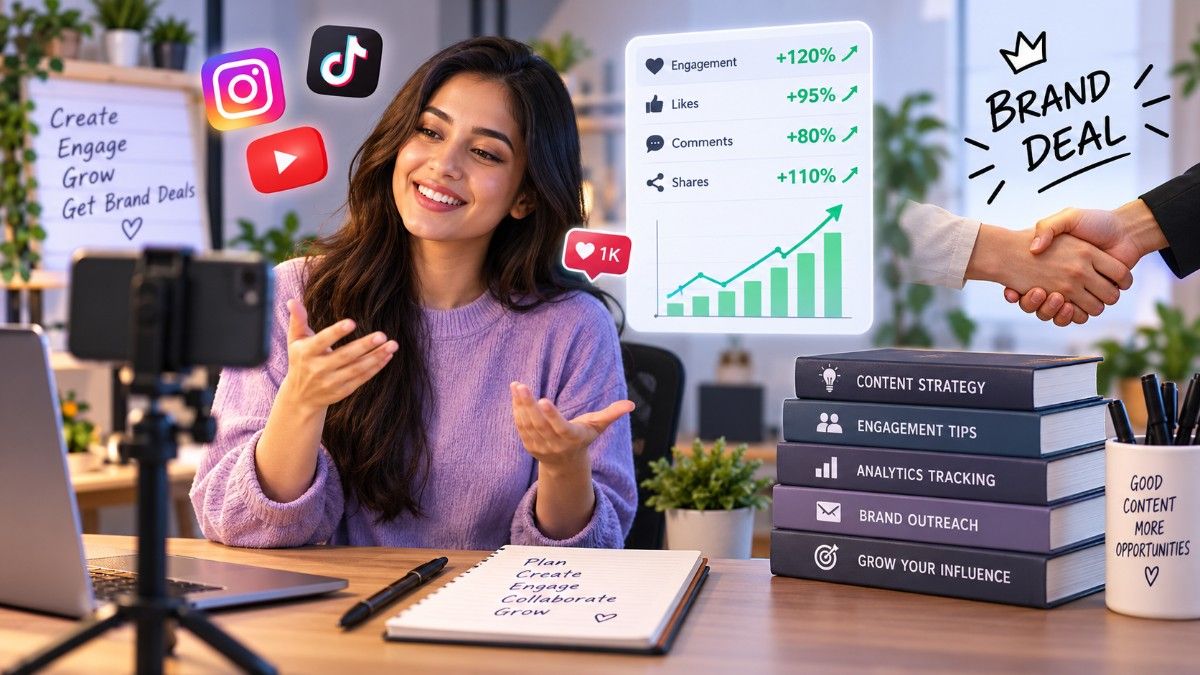
1. The Shift Toward Micro-Influencers in India
In the evolving landscape of Indian digital marketing, large corporations and D2C startups are actively pivoting away from expensive mega-celebrities. Instead, they are pouring their ad budgets into micro-influencers (creators with 10k to 100k followers). Micro-influencers offer highly engaged, niche-specific audiences that convert at a much higher rate.
However, breaking into this lucrative market requires more than just good content. Many aspiring creators attempt to grow entirely organically but find themselves overshadowed by competitors who know how to manipulate their perceived authority. To level the playing field without spending thousands on paid promotions, many emerging creators start by utilizing a cheap smm panel to build their initial foundation of social proof.
2. The Algorithmic Volatility Problem
The single biggest hurdle creators face when applying for brand deals is engagement volatility. The algorithms on platforms like YouTube and Instagram are notoriously unpredictable. You might have one video hit 100,000 views, while your next three uploads struggle to cross 500.
When a PR agency audits your profile, they look for safety and consistency. If your engagement fluctuates wildly, brands consider your profile a risky investment. They need a guarantee that if they pay you for a sponsored integration, a baseline number of users will actually see and interact with their product.
3. Stabilizing Metrics for Brand Sponsorships
To eliminate this risk, professional creators use backend infrastructure to secure a "floor" for their engagement metrics. For example, if an influencer is pitching a tech brand for a YouTube integration, they must prove their videos consistently hit a minimum viewership threshold.
By connecting to a high-retention youtube smm panel, a creator can strategically supplement their organic traffic. If a sponsored video is underperforming due to a bad algorithmic day, the creator can drip-feed high-retention views and watch hours to ensure the video meets the performance metrics promised in the brand contract. This strategy ensures the sponsor is happy and eager to renew the contract for future campaigns.
4. The Infrastructure Secret of Top Creators
The reality of the creator economy is that most top-tier influencers do not leave their livelihood entirely up to an unpredictable algorithm. They take control of their delivery.
By relying on a trusted, enterprise-grade platform, creators ensure their engagement appears perfectly organic. Features like geo-targeted Indian profiles and natural drip-feed pacing protect the creator's reputation while fulfilling the strict deliverables demanded by top-tier marketing agencies.
5. Pitching Your Profile to Indian Agencies
Once your baseline metrics are stabilized and your content looks consistently active, it is time to pitch. Follow these best practices when reaching out to brands in India:
- Create a Media Kit: Design a simple, one-page PDF outlining your follower count, your niche (e.g., tech, beauty, finance), your consistent average engagement rate, and your contact details.
- Target Emerging D2C Brands: Instead of pitching massive conglomerates immediately, look for new Indian startups on platforms like Shopify and Instagram. They are hungry for exposure and more willing to partner with micro-influencers.
- Offer Bundle Deals: Propose a package of one dedicated YouTube video and two Instagram Reels to provide omnichannel value to the brand.